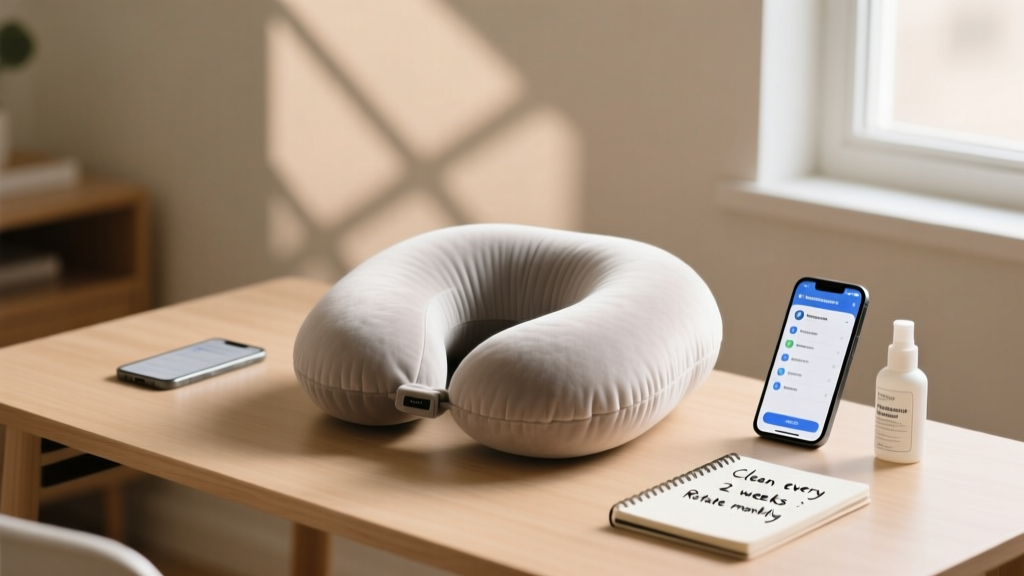
Neck Pillow Setup & Maintenance (2026)
A good car neck pillow can be the difference between arriving refreshed or stepping out with a stiff neck and sore shoulders. Whether you commute daily, road-trip on weekends, or spend long hours in traffic, your headrest area plays a bigger role than most drivers realize. The right setup supports your natural cervical curve, reduces fatigue, and can even make your seat feel more ?custom fit.?
But here?s what many car owners miss: a neck pillow isn?t a set-it-and-forget-it accessory. If it?s mounted too high, too low, or allowed to flatten over time, it can become useless?or worse, push your head forward and create more strain. This guide breaks down how to set up a car neck pillow correctly, maintain it for long-lasting comfort, and avoid the common mistakes that shorten its lifespan.
Why Neck Pillow Setup and Maintenance Matters
A car neck pillow (also called a headrest pillow or cervical support pillow) should work with your seat and headrest?not fight them. Proper setup helps:
- Reduce neck and upper back tension by supporting the cervical spine?s natural curve.
- Improve driving comfort on long trips by reducing micro-adjustments and posture shifting.
- Prevent forward-head posture caused by headrests positioned too far back or pillows placed incorrectly.
- Extend pillow life by keeping straps, seams, and foam from being overstressed.
Maintenance matters just as much. Heat, sunlight, sweat, hair products, and normal compression all degrade foam and fabric. A little routine care keeps your pillow supportive, clean, and odor-free.
Choosing the Right Neck Pillow Before You Set It Up
Your setup will only be as good as the pillow you start with. The best car neck pillow is the one that matches your seat shape, your body, and your driving position.
Materials: Memory Foam vs. Fiberfill vs. Gel
- Memory foam: Best all-around for support and long-lasting shape, especially high-density foam. Can feel firmer in cold weather and softer when warm.
- Fiberfill/polyfill: Softer and cheaper, but tends to flatten quickly. Better for short trips or passengers who prefer plushness over structure.
- Gel-infused foam: Similar support to memory foam with improved cooling. Great for hot climates or drivers who run warm.
Shape: Contoured vs. Simple Cushion
- Contoured cervical pillows cradle the neck and tend to be easier to position correctly.
- Simple rectangular cushions can work, but they require more careful placement to avoid pushing the head forward.
Cover and Attachment Style
Look for:
- Removable, washable cover (zippers are a plus).
- Breathable fabric like mesh, woven polyester, or cotton blends.
- Adjustable strap with a buckle, not a fixed elastic loop. Adjustable straps help with different headrest heights and prevent slipping.
Step-by-Step: Correct Neck Pillow Setup for Real Support
Use this process any time you install a new pillow, switch vehicles, or share a car with another driver.
Step 1: Start With a Proper Driving Position
- Sit back fully so your hips are against the seatback.
- Adjust your seatback angle to a comfortable, upright posture (many drivers land around a moderate recline, not a lounge position).
- Set seat height so you have clear visibility and your shoulders feel relaxed.
- Adjust your headrest: the center of the headrest should generally align with the back of your head (not the neck).
Real-world example: If your seat is reclined too far, a neck pillow often ends up acting like a head pusher. Fixing the seatback angle first usually solves half the comfort issues.
Step 2: Place the Pillow at Neck Level, Not Head Level
- Hold the pillow against the seatback where your neck naturally curves inward (the cervical area).
- The thickest part of the pillow should fill the gap between your neck and the seat, not force your head forward.
- Do a quick test: you should feel supported with your chin staying level, not tipping down.
Quick check: If the pillow touches the middle of the back of your head more than it touches your neck, it?s too high.
Step 3: Attach and Tension the Strap Correctly
- Wrap the strap around the headrest posts (or around the headrest itself if posts aren?t accessible).
- Tighten gradually until the pillow stays put when you move your shoulders and upper back.
- Avoid over-tightening?too much tension compresses foam and creates a ?brick? feel.
Tip: If the pillow slides down during driving, your strap is either too loose or the fabric is too slick. A small non-slip pad between pillow and seatback can help without cranking down the strap.
Step 4: Fine-Tune for Your Height and Headrest Style
- Tall drivers: You may need the pillow slightly higher, but still supporting the neck curve. Don?t chase head contact.
- Shorter drivers: Keep the pillow lower to prevent your chin from tipping forward.
- Forward headrest designs: Many modern cars angle headrests forward. Choose a thinner pillow or position it lower to avoid pushing your head forward.
Step 5: Take a 10-Minute Test Drive and Recheck
Comfort issues often show up after a few minutes. During a short drive, pay attention to:
- Chin position (should remain neutral, not tucked)
- Shoulder tension (should decrease, not increase)
- Pressure points at the base of the skull
Adjust by small increments?about a half-inch up/down can be the difference between ?perfect? and ?annoying.?
Maintenance Routine: Keep Your Car Neck Pillow Clean and Supportive
Long-lasting results come from treating your neck pillow like any other interior accessory: clean it regularly, protect it from extreme conditions, and store it correctly.
Weekly Quick Care (2?3 Minutes)
- Shake out the pillow and lightly pat it to restore loft (especially for fiberfill).
- Wipe the cover with a clean microfiber cloth to remove dust and skin oils.
- Check strap tension and buckle alignment to prevent uneven wear.
Monthly Cleaning (Cover + Surface)
- Remove the cover if it?s zippered or detachable.
- Machine-wash the cover only if the label allows it. Use cold water and gentle cycle.
- Air-dry when possible. High heat can shrink fabric and degrade elastic.
- Spot-clean foam with mild soap and a damp cloth. Avoid soaking memory foam; it holds water and can develop odors.
Practical tip: If you drive with hair product, sunscreen, or beard oil, wash the cover more often. Those oils build up and trap dust, which leads to odors faster than you?d expect.
Heat and Sun Protection (Biggest Lifespan Booster)
Heat is the silent killer of foam and elastic straps. To protect your neck pillow:
- Use a windshield sunshade when parked outdoors.
- If the car sits in direct sun, consider removing the pillow and storing it in the trunk or a shaded area.
- Avoid leaving the pillow pressed tightly against a hot seatback for days at a time?foam can ?set? and lose rebound.
How to Handle Odors
- Air out the pillow in a shaded, ventilated area.
- Sprinkle baking soda lightly on the cover (or on foam if the cover is removed), let it sit for 30?60 minutes, then vacuum gently.
- Skip heavy perfumes?they often mix with sweat and become worse over time.
Product Recommendations: What to Buy for Long-Lasting Comfort
Instead of focusing on one brand, shop by features that consistently perform well in car interiors.
Best for Daily Drivers: High-Density Memory Foam + Washable Cover
- Look for high-density memory foam that rebounds slowly and feels supportive, not spongy.
- Choose a mesh or breathable knit cover to reduce heat buildup.
- An adjustable buckle strap helps keep the pillow stable across different drivers.
Best for Hot Climates: Gel-Infused Foam or Ventilated Cover
- Gel-infused foam can feel cooler during long drives.
- Prioritize a ventilated cover?airflow often matters more than gel marketing.
Best Budget Choice: Fiberfill With Extra Loft (Expect More Replacement)
- Buy one with a removable cover if possible.
- Plan to replace sooner if you drive often; flattening is normal with low-cost fill.
Quick Comparison: What Most Drivers Prefer
- Maximum support: contoured memory foam
- Plush comfort: fiberfill
- Heat management: gel foam + breathable cover
- Best longevity: high-density foam, quality stitching, and strap hardware
Common Mistakes to Avoid (These Ruin Comfort Fast)
- Mounting the pillow too high: pushes your head forward and strains the upper neck.
- Using a thick pillow with a forward-leaning headrest: doubles the forward pressure and causes headaches or shoulder tightness.
- Over-tightening the strap: compresses foam permanently and accelerates seam failure.
- Washing the foam like a sponge: soaking memory foam leads to trapped moisture and long-term odor.
- Ignoring posture: a neck pillow can?t fix a severely reclined seatback or a steering wheel that?s too far away.
- Leaving it in direct sun daily: heat breaks down foam and elastic faster than normal wear.
Troubleshooting: Fix Common Comfort Problems
If the pillow feels like it pushes your head forward
- Lower the pillow slightly so it supports the neck curve, not the skull.
- Loosen the strap to reduce compression.
- Consider a thinner pillow if your headrest already angles forward.
If your neck still feels unsupported
- Raise the pillow a small amount?support should land in the cervical curve.
- Try a more contoured shape or higher-density foam.
- Recheck your seatback angle and headrest height.
If the pillow keeps slipping
- Tighten the strap just enough to prevent movement.
- Route the strap around the headrest posts if possible for better grip.
- Add a thin non-slip pad between pillow and seatback.
FAQ: Neck Pillow Setup and Maintenance
How high should a car neck pillow be placed?
Place it so the thickest part supports the natural curve of your neck (cervical area). If it?s mainly contacting the back of your head, it?s too high.
Can a neck pillow make posture worse?
Yes?usually when it?s too thick for your headrest design or mounted too high. That combination can push your head forward and increase neck strain.
How often should I wash my neck pillow cover?
For most drivers, once a month is a good baseline. If you drive daily, sweat heavily, or use hair/skin products, every 2?3 weeks keeps odors and oil buildup under control.
Why does memory foam feel harder in winter?
Memory foam stiffens in cold temperatures and softens as it warms. Let the cabin heat up for a few minutes, or knead the pillow gently to speed up softening.
When should I replace my car neck pillow?
Replace it when the foam no longer rebounds, the pillow stays flat, seams split, straps lose elasticity, or you notice recurring discomfort even after adjusting position. Frequent drivers often replace budget pillows sooner than premium foam models.
Actionable Next Steps for Long-Lasting Results
To get the best comfort and durability from your car neck pillow, do three things this week:
- Reset your driving position first, then re-mount the pillow at true neck level.
- Clean the cover (or at least wipe it down) and check the strap tension for slippage.
- Protect it from heat with a sunshade or by removing it when parked in direct sunlight for long periods.
If you?re building a more comfortable cabin, a well-set neck pillow pairs nicely with a supportive seat cushion, clean interior air, and a clutter-free seating area?small upgrades that add up on every drive.
Want more practical interior tips? Explore more comfort, cleaning, and accessory guides on carinteriormix.com.